Understanding the Impact of Suspensions in UK Horse Racing
Horse racing has long been regarded as an esteemed sport in the UK, capturing the hearts of millions of fans and punters alike. However, suspensions in horse racing can significantly alter the landscape of this vibrant industry. In this article, we will delve into the implications of horse racing not being on, focusing on the reasons behind these suspensions, their effects on betting, and the future of the sport. For an alternative betting experience, you might want to explore UK horse racing not on GamStop horse racing betting not on GamStop.
The Significance of Horse Racing in the UK
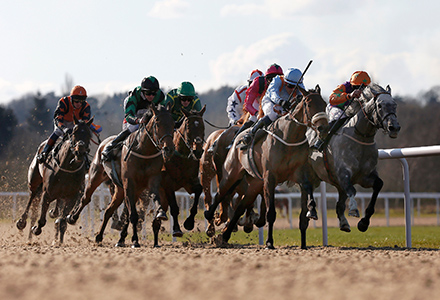
The UK is home to some of the most prestigious horse racing events in the world, including the Grand National, the Epsom Derby, and Royal Ascot. These events not only provide thrilling entertainment but also contribute significantly to the economy. The industry generates billions of pounds each year through various channels, including ticket sales, television rights, and sponsorships.
The emotional connection between fans and their favorite horses, jockeys, and trainers creates a passionate community. Betting on races adds an extra layer of excitement, making the sport even more compelling. Nonetheless, when races are suspended, it sends ripples through the entire ecosystem.
Reasons for Suspensions
Various factors can lead to suspensions in UK horse racing. These include:
- Weather Conditions: Inclement weather, such as heavy rain or snow, can render tracks unsafe for racing. In such cases, racecourses may cancel events to protect both horses and jockeys.
- Health and Safety Concerns: The welfare of the horses is paramount. Outbreaks of equine diseases or other health risks can lead organizations to suspend races to prevent the spread of illness.
- Regulatory Issues: The British Horseracing Authority (BHA) enforces strict regulations in the industry. If any violation occurs—whether it be related to doping, race-fixing, or other legal concerns—races can be suspended while investigations take place.
- Economic Factors: Financial difficulties faced by racecourses and lack of participation can lead to the cancellation of races, particularly in less popular events.
Effects on Betting
When horse racing is not on, the immediate effect is felt in the betting markets. Bookmakers generate significant amounts of revenue from races, and cancellations can create gaps in their operations. Here are some implications for betting:
- Reduced Options for Punters: For bettors, the absence of races limits their betting options. While some may turn to other sports, the thrill of horse racing is irreplaceable for many, leading to disappointment.
- Market Volatility: Cancellations can lead to fluctuations in betting markets, affecting odds and availability. Bookmakers may also adjust their offerings to accommodate the lack of horse racing.
- Impact on Promotions: Many bookmakers run promotions and bonuses tied specifically to horse racing events. These promotions may falter when races are not happening, potentially disappointing customers who look for such betting incentives.
Long-Term Consequences for the Industry
The long-term effects of race cancellations can be significant. If suspensions become frequent, it can lead to:
- Loss of Interest: Fans may lose interest in the sport if cancellations occur regularly. Maintaining engagement is crucial for the longevity of horse racing.
- Decreased Revenue: Constant interruptions can lead to a decline in revenue for racecourses, which may not only affect their operations but also the employment of individuals working within the industry.
- Changes in betting behavior: As mentioned before, bettors may start to seek alternative platforms. A rise in alternatives, including online betting that does not prioritize horse racing, might experience increased growth.
Innovations and Adaptations
Despite the challenges posed by race suspensions, the industry has shown remarkable resilience. Innovations in technology and other adaptations can help mitigate some of the impacts:
- Virtual Horse Racing: With the advent of technology, virtual horse racing is gaining popularity. These simulated races are based on algorithms and statistics, allowing bettors to engage with the sport even when live racing is suspended.
- Increased Focus on Health and Safety: The industry is placing greater emphasis on ensuring the welfare of horses and jockeys. Enhancements in track safety, investment in veterinary services, and stricter adherence to regulations are becoming commonplace.
- Online Bet Diversification: Bookmakers are increasingly diversifying their betting options. Even when horse racing is not available, they may offer wagers on other sports, esports, and even political events to keep punters engaged.
Looking Ahead
The future of horse racing in the UK remains uncertain, especially with the potential for more interruptions. However, a cautious yet optimistic outlook is warranted. Protecting the integrity of the sport while ensuring the safety of all involved is crucial for its longevity.
As various stakeholders—racecourses, governing bodies, and the betting industry—collaborate to find solutions, there is hope for a thriving future for horse racing. The community's passion and dedication can ensure that the sport continues to flourish despite its challenges.
Conclusion
In conclusion, while the issue of horse racing not being on can create immediate challenges, it also opens the door for innovation and growth within the industry. Stakeholders must work together to navigate these challenges and ensure that the spirit of horse racing remains alive and well in the UK.